State Fair Fun Facts
In the Summer of 1946, the Frake family excitedly anticipates the Iowa State Fair. Melissa and Abel have "blue ribbon" hopes and their children, Margy and Wayne, are attending as young adults, bringing their dreams and cares in tow. Meeting newspaper reporter Pat and band singer Emily, they realize that life is more than the farm at home and the trip to the fair is more than a simple journey across the state. Entwined in this beautiful love story, State Fair reminds us how our lives can be changed by a rash decision, a chance meeting, or the unexpected.
State Fair features an Academy Award-winning score by Rodgers and Hammerstein, including “It Might as Well Be Spring”, “A Grand Night For Singing” and “Our State Fair”.
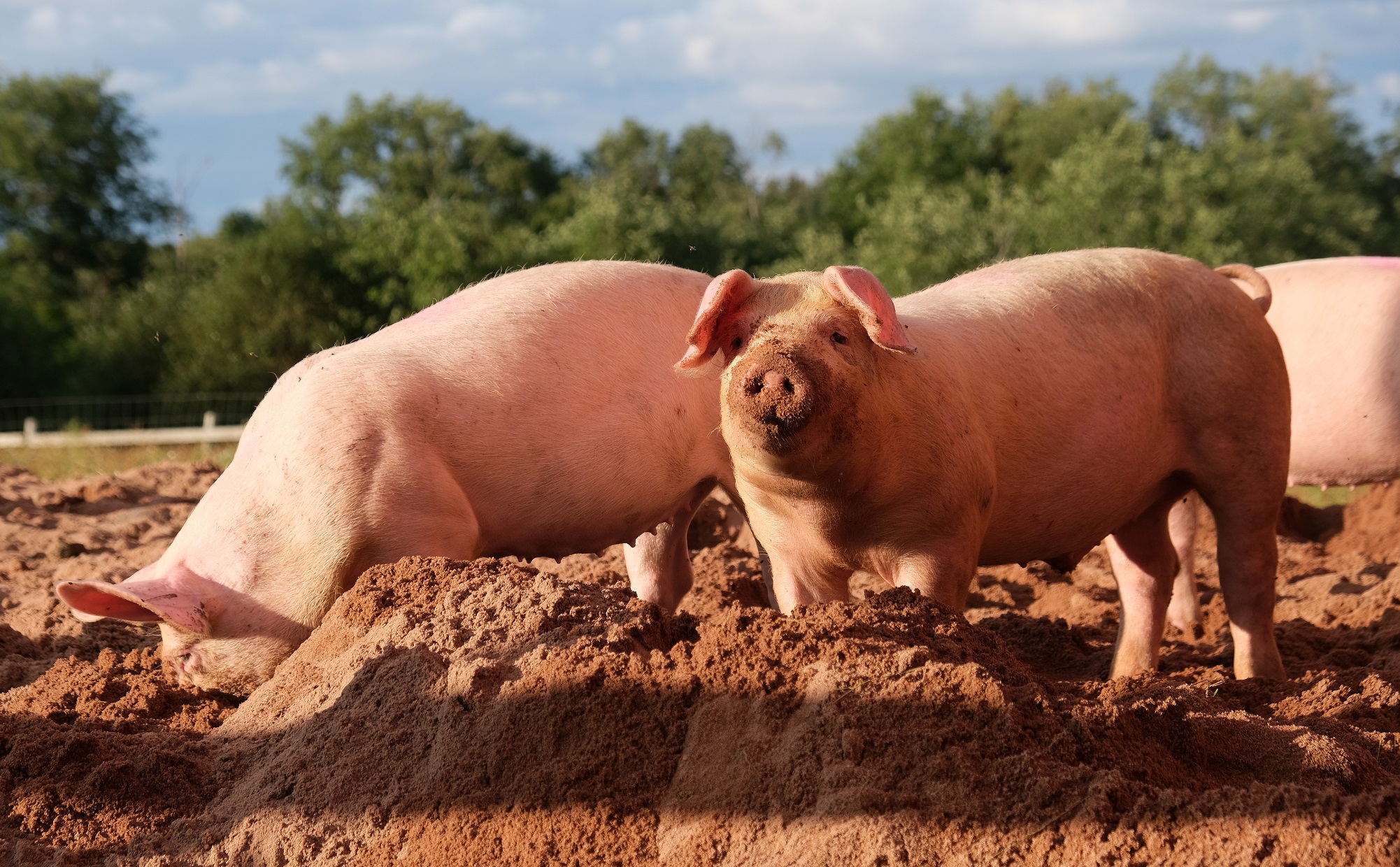 Blue Boy, the giant hog, is a recurring character in our upcoming production of Rogers & Hammerstein's STATE FAIR. While the audience may never actually see Blue Boy on stage, farmer Abel Frake (Jeff Swafford) has high hopes of winning the top prize for the best hog in Iowa. You'll laugh with us as Mr. Frake and his pals sing a tender love song to the beloved pig. We can't say for certain, but perhaps Blue Boy was modeled after Big Bill of Jackson, Tennessee. This colossal swine shattered records in 1933, weighing a jaw-dropping 2,552 pounds and measured 9 feet long, a record that still holds 92 years later! Come see us for Blue Boy and stay for the dancing and romance as Mr. Frake's young adult children, Wayne and Margy, (Chris Rubino, Sophie Bloom), explore all the midway has to offer.
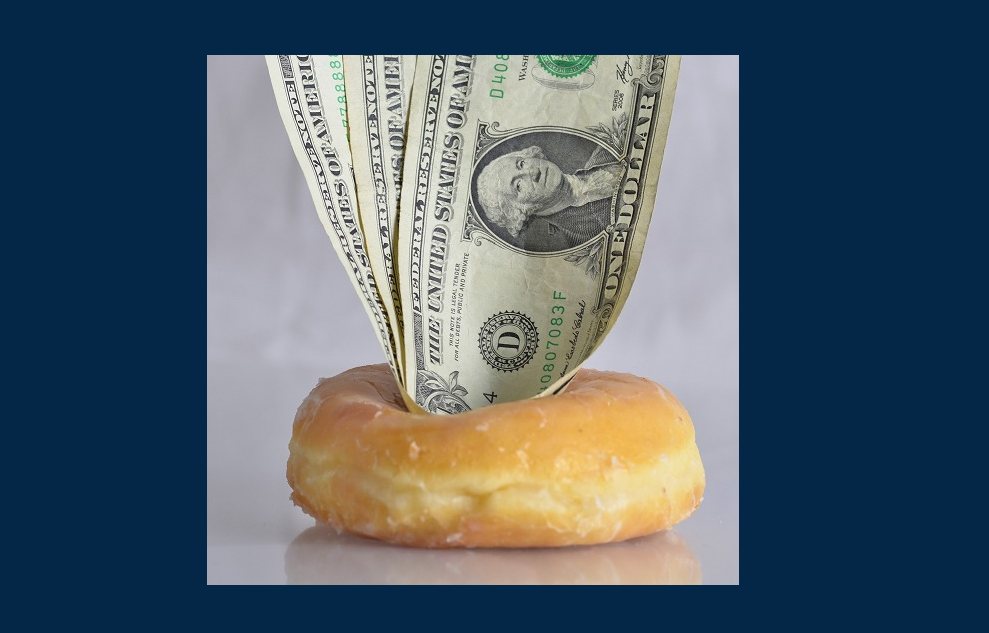 The song, "Our State Fair" includes this musical phrase: "It's dollars to donuts that our state fair is the best state fair in our state!" What does it mean, and is it a bet worth taking? A person is willing to wager several dollars that their fair is the best, and if you can prove them wrong, you only need to pay them an equal amount of donuts, not dollars. When State Fair was written, a donut cost only five cents, so you were offered very attractive odds at 20 to 1!
Today, a Dunkin donut sells for $1.49. Let's call it $1.50. And so, Farmer 1 wagers $5 that his state fair is the best. Farmer 2 accepts the bet, risking just 5 donuts to say it's not the best fair. If it's not the best, then Farmer 1 pays $5 to Farmer 2. But if it really is the best State Fair, Farmer 2 must pay 5 donuts to Farmer 1. That would have been worth just $0.25 in 1946 when our story occurred. But at today's prices, Farmer 2 would owe $7.50 worth of donuts when he loses the $5 bet. Yikes
Bringing it all up to date, one of our sources tells us a 1946 dollar, adjusted for inflation, is now worth $16. And so, today, the odds for a dollars-to-donuts bet once again looks pretty attractive at 1.50 to 16, slightly better than 10 to 1.
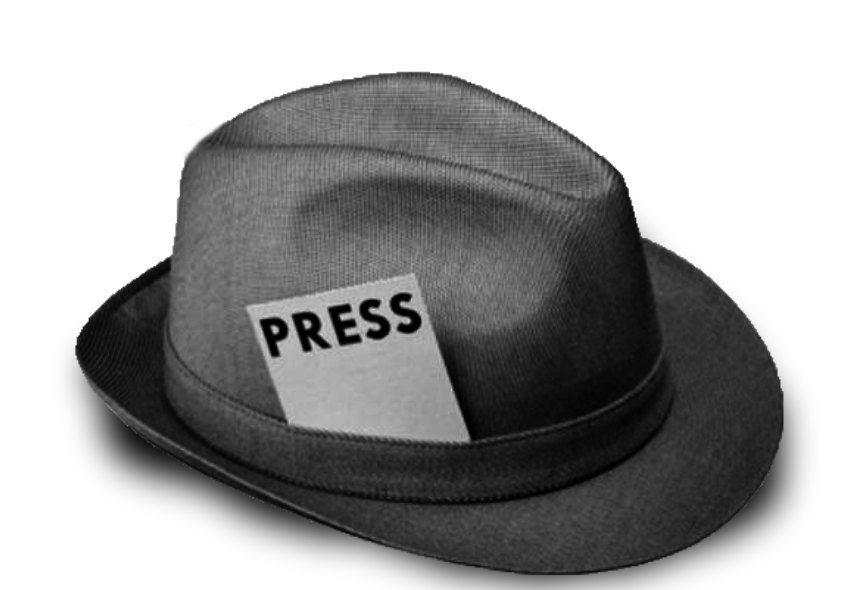 If "State Fair" were written today, the pivotal character, Pat Gilbert, would undoubtedly be a social media blogger rather than a newspaper reporter. Way back in the first half of the twentieth century, reporters were prominently featured in dozens of films such as Citizen Kane, Foreign Correspondent, and even Superman. Pen and paper journalists were the mass media of the day. These guys (and occasionally a lady) investigated all the angles and had their hands on the pulse of every story. Our Pat Gilbert (Tim Tillman) is on assignment at the state fair but unexpectedly finds himself falling in love with a farm girl.
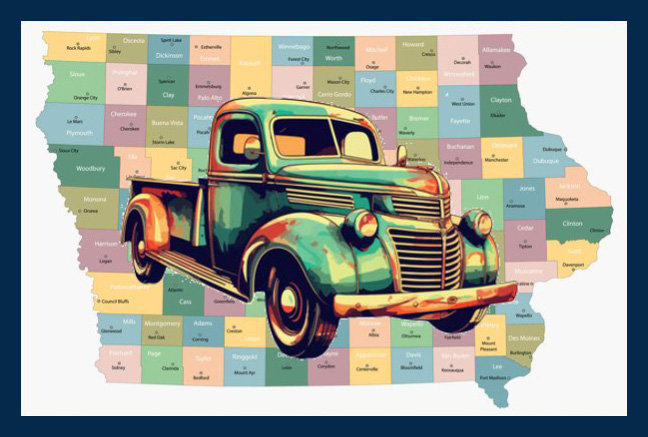 Consider the Frake family's road trip to the Iowa State Fair. It's 1946 and Abel's heavily laden pickup is hauling a trailer with Blue Boy, the giant pig. Four people are jammed in tight contact across the seat, bumping along mile after mile of two-lane roads past endless farmland, flat and featureless in the sweltering heat of August without air-conditioning. It's an all-day journey well into the night! Fortunately, the Frakes are still excited and in excellent spirits when they finally arrive.
Will Blue Boy win his ribbon? Is Melissa's mincemeat prepared to the judges' liking? Will Margy and Wayne find true love on the midway?